
Every school day, more than 98% of children in the U.S. walk through the doors of schools that not only educate them—but are also responsible for safeguarding their health. Even though student health needs are becoming more complex, many school nurses still find themselves stuck using outdated software, paper records, and disorganized workflows that just can’t keep up with today’s demands.
 For years, platforms like Frontline and Snap Health were the default tools in school health offices. But these systems were built over a decade ago—and in many cases, they’ve received only minimal updates since. That’s left nurses struggling with clunky interfaces, buried records, and too many clicks to accomplish even the most routine tasks. It’s a system that burns out the very people responsible for protecting student well-being.
Today’s school nurses are expected to do far more than apply band-aids or take temperatures. They are critical responders, chronic care managers, mental health allies, immunization coordinators, and health educators. They monitor asthma, manage diabetes, administer medications, and respond to emergencies, often under intense pressure and with limited support.
As Erin Maughan of the National Association of School Nurses put it: “School nurses are ‘population health gold’ because we are at the epicenter of the concerns that children bring to school every day.” Yet, despite the scope and importance of their role, many nurses still lack the tools to meet the increasing demands of modern school health.
The reality is that sticking with outdated systems goes beyond just being a hassle; it can pose serious risks. Imagine a delayed reaction because a student’s allergy information is lost in a mountain of paperwork. Or a missed dose of medication due to unclear documentation. What about an emergency contact that’s no longer valid because the system makes it a chore to keep records up to date? When school nurses have to navigate around old technology, it’s the students who end up paying the price.
That’s why MyCabinet was built—not as an upgrade to old systems, but as an entirely new approach to school health.
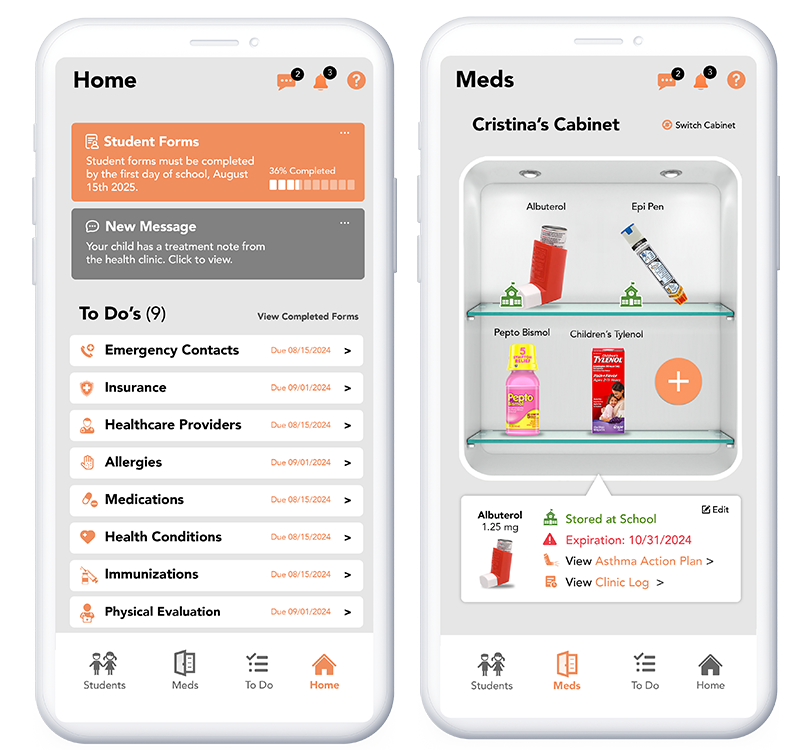
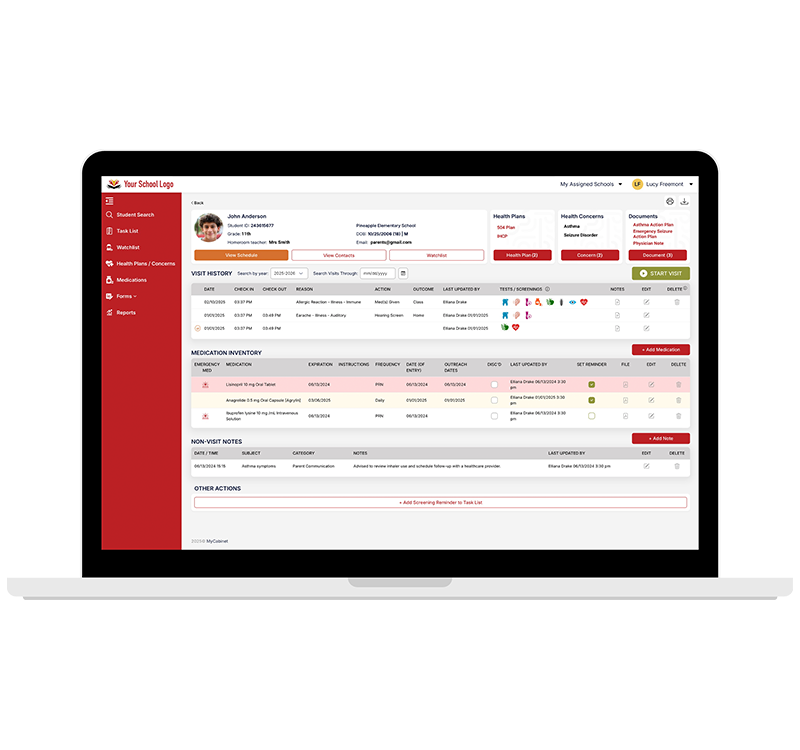
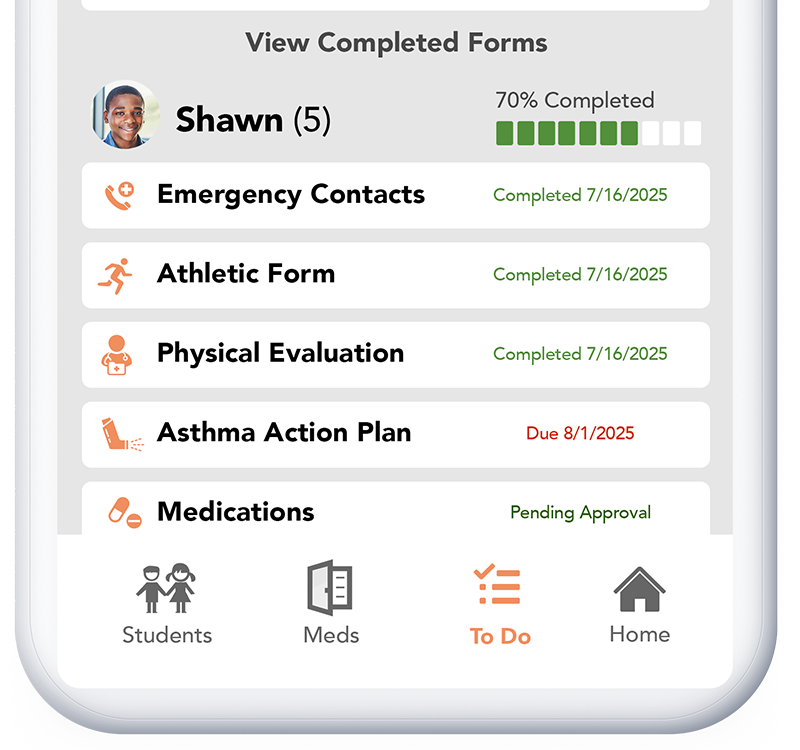
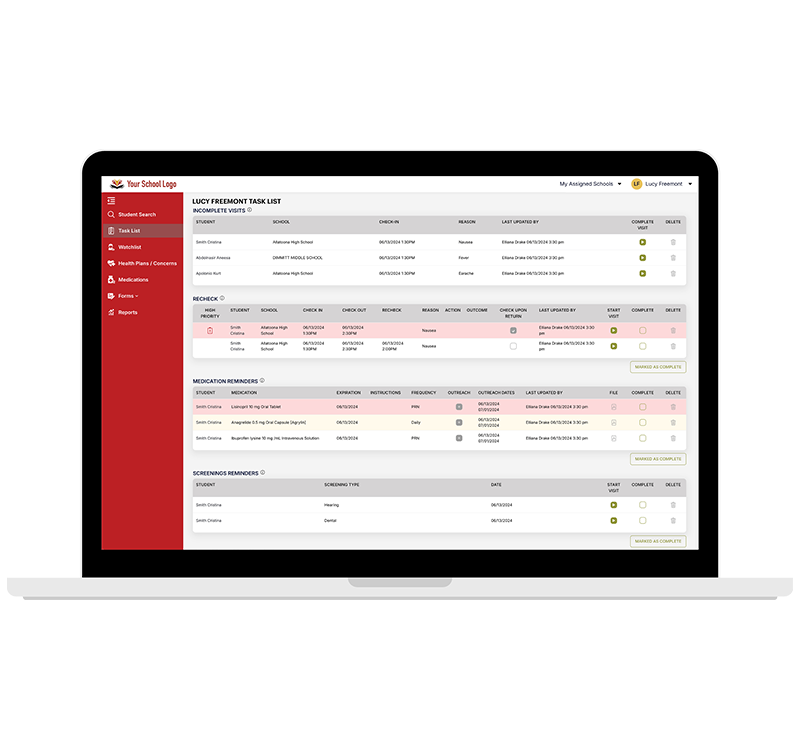
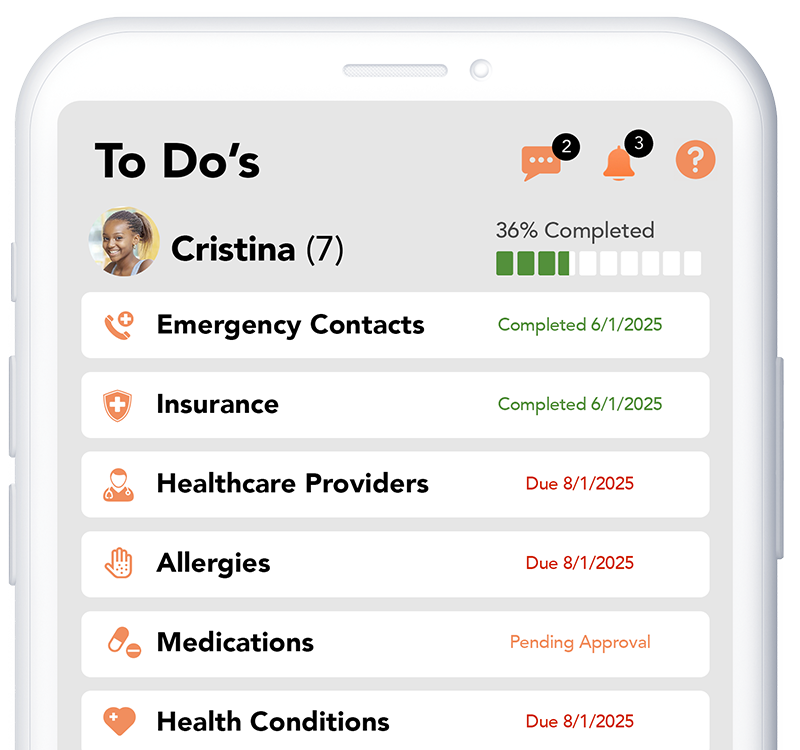
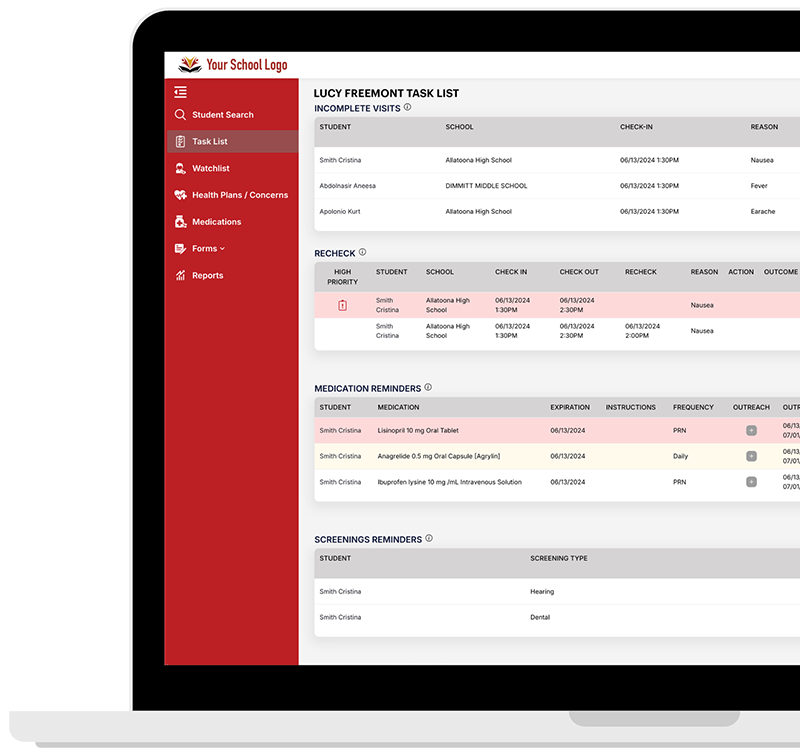
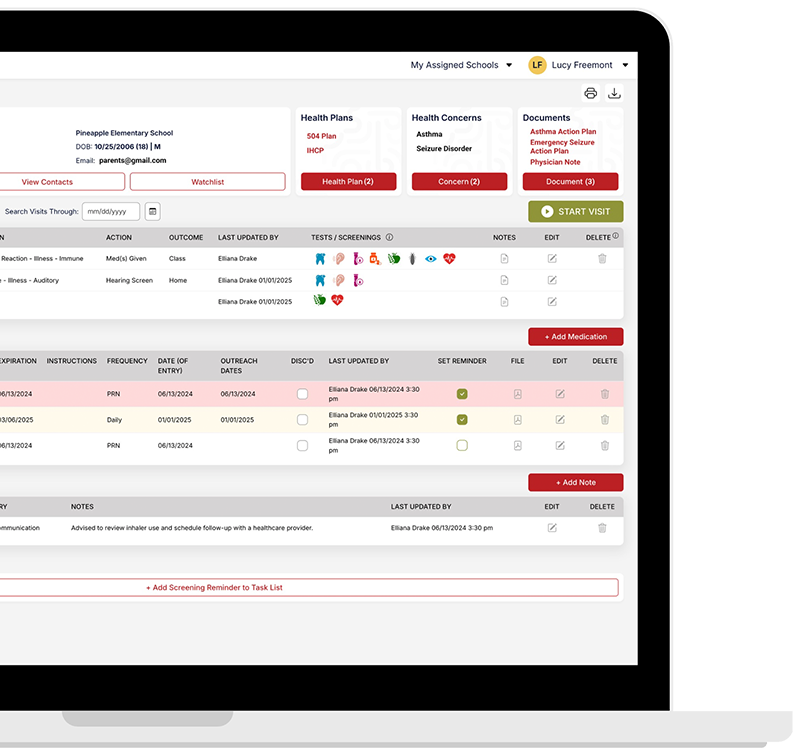
Designed from the ground up with direct input from school nurses, MyCabinet offers a streamlined, intuitive experience focused on what matters most: student care.
With MyCabinet, nurses can access real-time student health records, including medications, allergies, care plans, and emergency contacts—all in just a few clicks. The platform simplifies documentation with one-click workflows, supports medication tracking with automated alerts, and enables secure communication with parents. No more toggling between systems. No more digging for information in binders or spreadsheets. Just the right information, at the right time.

And the difference is tangible. MyCabinet is designed to help nurses respond faster, reduce errors, and spend more time on care—not paperwork. Parents stay more informed, school administrators gain peace of mind, and most importantly—students are safer.
It’s not just about being efficient. It’s about giving nurses back their time, their clarity, and their confidence. It’s about ensuring that no child misses out on care due to a software glitch.
As one nurse put it: “To do what nobody else will do, in a way that nobody else can, in spite of all we go through, is to be a nurse.” But doing that job shouldn’t mean battling bad systems. Nurses deserve tools that match the magnitude of their responsibility.

Studies show that when school nurses have modern tools, outcomes improve. Attendance rises. Emergency room visits decrease. Chronic conditions are managed more effectively. Health equity improves, especially in underserved communities where the school nurse may be the only consistent healthcare professional a child sees.
At MyCabinet, we believe school nurses deserve a platform that’s as capable and caring as they are. That’s why we’re proud to offer a solution that’s fast, simple, secure, and designed for real-life school settings.
Because when nurses are empowered, students are protected. When communication flows, care improves. And when technology truly supports the people who use it, everyone benefits.
The future of school health isn’t about working harder. It’s about working smarter—with modern tools, shared visibility, and a system that helps nurses do what they do best: care for students.
Ready to see what the future looks like?
Sources
Bergen, Martha (2017). “School nursing and population health: Past, Present, and Future”. Online Journal of Issues in Nursing. 22 (3). doi:10.3912/OJIN.Vol22No03Man03. S2CID 81066661